
Dr. Rhonda Moffit

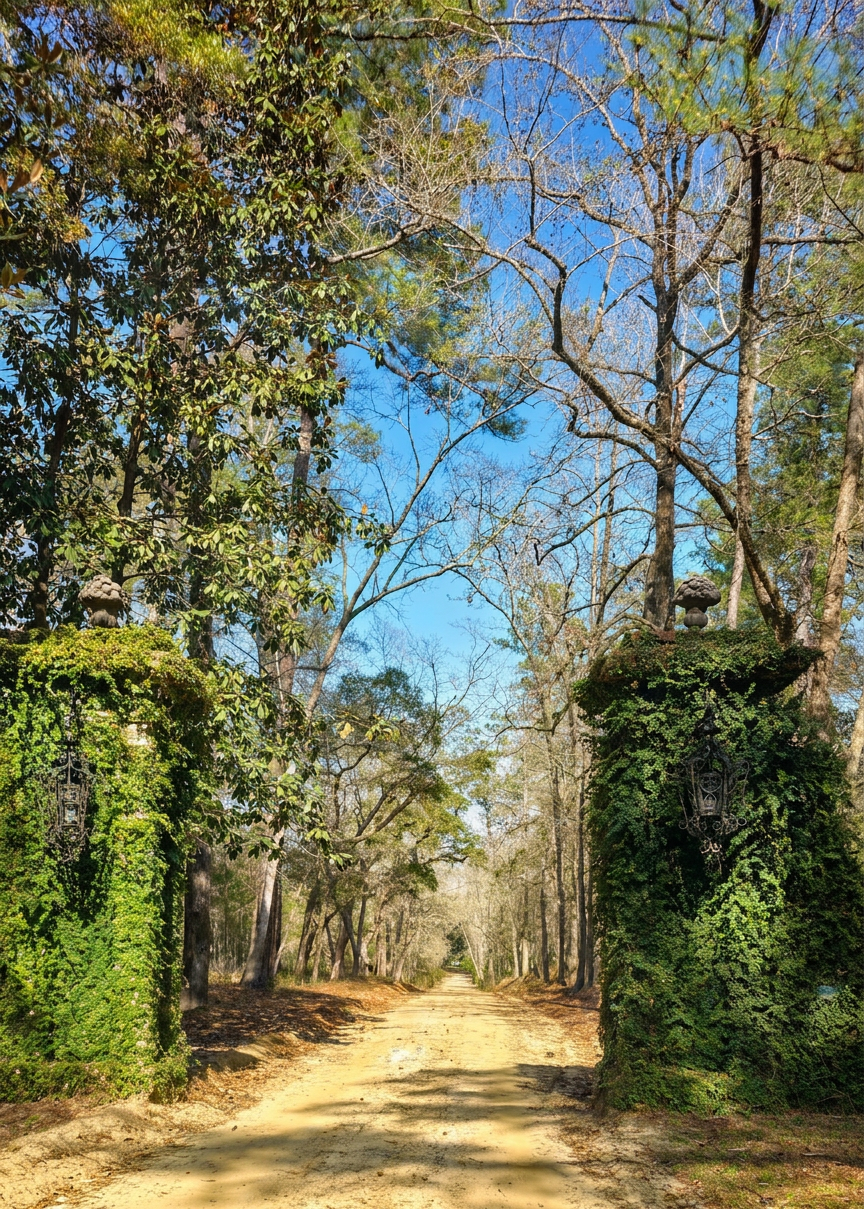
There’s a stillness that settles over the Lowcountry of South Carolina, a quiet that feels ancient and eternal, as if time itself has paused to take a breath. The humid air clings to your skin, heavy with the scent of earth and water. Spanish moss drips from the gnarled limbs of live oaks, their shadows stretching across the ground like the fingers of ghosts. It was in this ethereal stillness that we found ourselves alone one late afternoon, exploring an abandoned rice plantation, its gates long closed to the public, its secrets hidden beneath layers of time and silence.

The rice plantations of South Carolina, a legacy of ingenuity and exploitation, were once the lifeblood of the region’s economy. In the 18th and 19th centuries, these plantations thrived, their fields flooded and drained by intricate canal systems engineered by enslaved Africans. These men and women, stolen from their homelands, brought with them not only the knowledge of how to cultivate rice but also an indomitable spirit that endured in the face of unimaginable hardship. The rice they grew fed the wealth of the Lowcountry, earning it the nickname “Carolina Gold.” But that wealth was built on the backs of the enslaved, their labor the true cost of the golden grain.
As we stepped onto the overgrown path leading into the heart of the plantation, we felt as though we were crossing into another world. The air seemed thicker, the silence more profound. The land was alive with whispers—the rustle of reeds in the breeze, the distant call of a heron, the creak of old wood settling into itself. It was as if the plantation had been waiting, holding its breath, for someone to bear witness to its story.
The slave quarters stood in a quiet row, their weathered clapboard walls and roofs a testament to the passage of time. They seemed almost untouched, as though the occupants had only just stepped out, leaving behind the faintest traces of their lives. A broken chair leaned against a wall, its seat worn smooth by use. In one corner, a rusted cooking pot sat forgotten, its surface pitted with age. These were the artifacts of lives lived in bondage, lives full of pain but also of resilience, community, and survival.


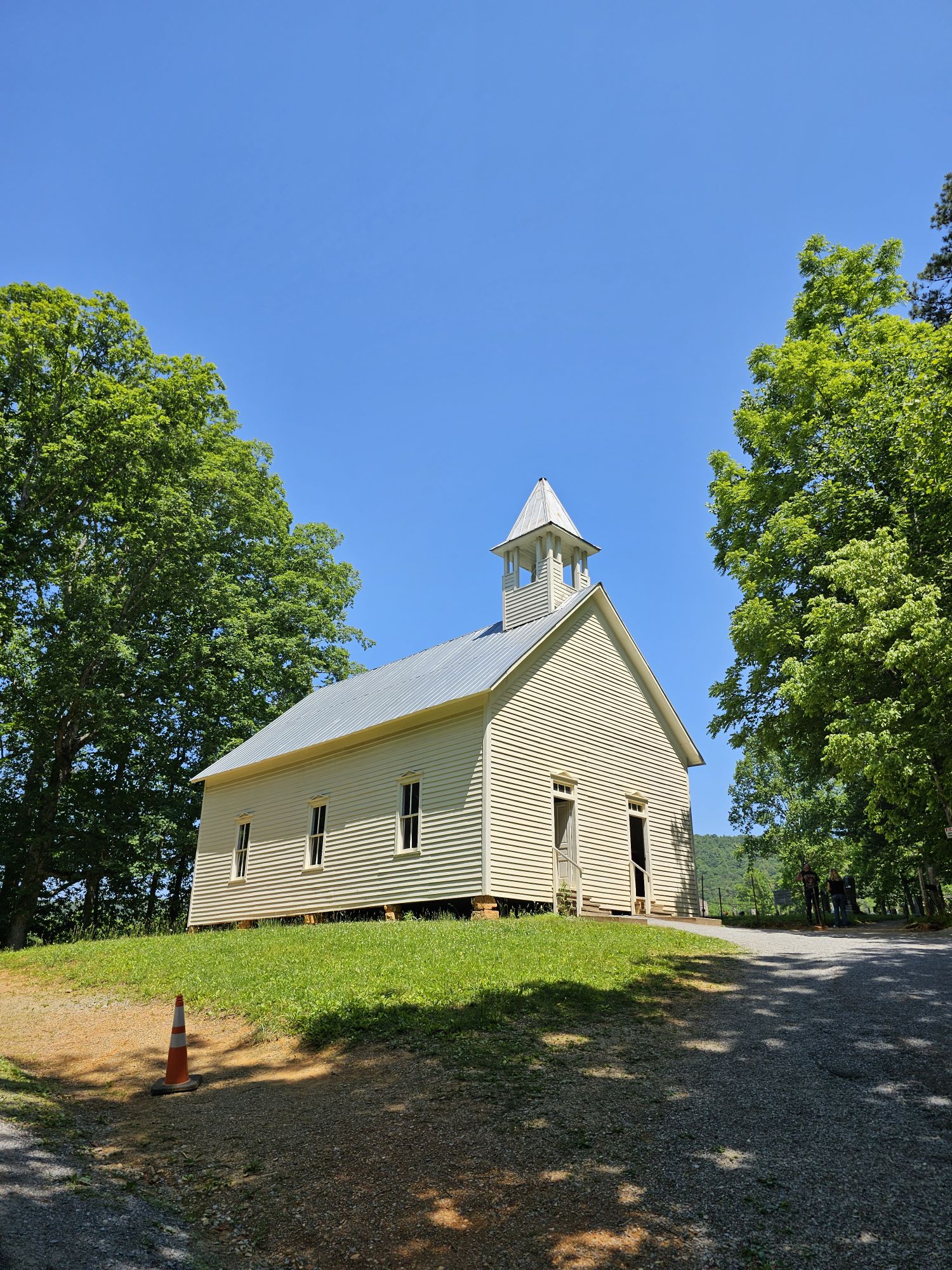
Further along, we came upon the church, its white clapboard exterior glowing softly in the fading light. The door creaked open to reveal a simple interior—a few rows of wooden pews, a pulpit worn smooth by countless hands, and a single stained-glass window casting fractured light onto the floor. This was a place of solace, a sanctuary where the enslaved could gather to find strength in their faith and in one another. Even now, the air inside felt different—charged, as if the prayers and hymns of generations past still lingered, echoing faintly against the walls. It was palpable.
The rice fields stretched out beyond the church, their flooded rows glinting like molten gold in the setting sun. Once, these fields would have been alive with the sounds of labor—shovels digging, voices calling, the rhythmic splash of water. Now they were silent, a mirror reflecting the sky above. The beauty of the scene was almost too much to bear, a poignant reminder of the lives that had been spent to create it.
Standing there, I felt the weight of history settle over me like the humid air. This place was not mine, and yet it was impossible not to feel its pull, its quiet insistence that its story be remembered. The plantation was a paradox—a place of breathtaking beauty and unspeakable suffering, of human ingenuity and human cruelty.

As the sun dipped below the horizon, the shadows lengthened, and the world seemed to hold its breath once more. I stood there for a long time, listening to the whispers of the reeds and the silence of the land, feeling the presence of those who had walked this ground before me.
In the end, we left the plantation as we had found it—quiet, still, and steeped in its own history. But I carried its story with me, a reminder of the resilience of the human spirit and the importance of bearing witness. The rice plantations of South Carolina are more than just relics of the past; they are places of reflection, where the beauty of the natural world meets the weight of history, and where the whispers of the past remind us of the stories we must never forget. Fortunately, someone is working hard to keep some of them restored.



Leave a Reply